
Mango Sticky Rice: A Sweet Thai Delight You Can Make at Home
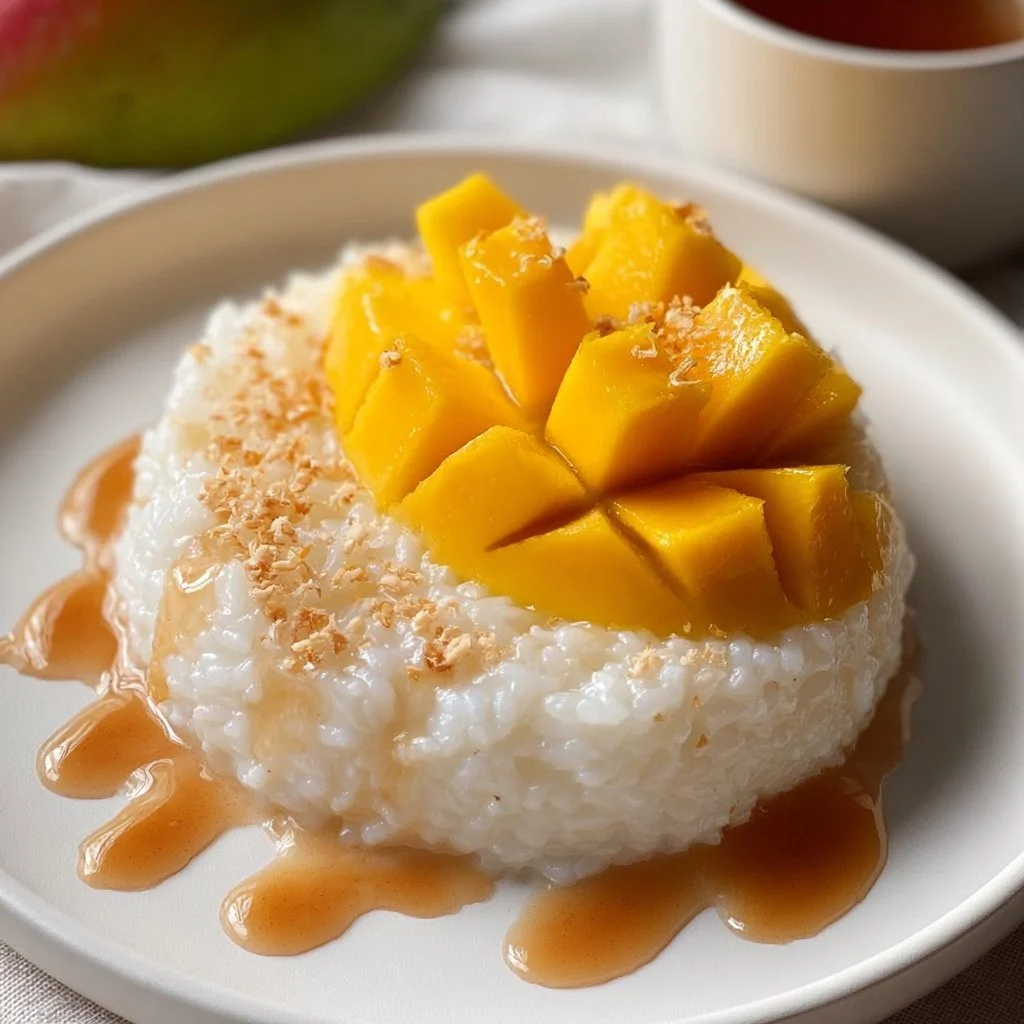
Mango Sticky Rice is a beloved Thai dessert that beautifully combines the sweet, creamy essence of coconut and the natural sweetness of ripe mangoes. This delightful dish is not only irresistible but also incredibly simple to whip up, making it perfect for impressing guests or enjoying a cozy night in. Whether you’re a fan of coconut or just looking for a quick and satisfying dessert, Mango Sticky Rice offers a delightful treat filled with flavor. Plus, it’s gluten-free and can easily be made vegan, catering to various dietary needs!
| Prep Time | 4-6 hours (soaking) |
|---|---|
| Cook Time | 30 minutes |
| Total Time | 4-6 hours 30 minutes |
| Servings | 4 |
| Difficulty | Easy |
| Cuisine | Thai |
Why This Recipe Works
One of the standout features of Mango Sticky Rice is its heavenly combination of textures and flavors. The soft, chewy glutinous rice creates a delightful contrast to the smooth, juicy slices of mango, while the rich, creamy coconut sauce envelops everything in a subtle sweetness. This harmony of taste and texture makes every bite an experience to savor.
Moreover, this recipe is incredibly straightforward, needing only a few basic ingredients. The soaking and steaming techniques used here ensure that the rice cooks perfectly—sticky and tender. It’s a no-fuss dessert that requires minimal effort, allowing you to indulge in something delicious without spending hours in the kitchen.
Ingredients
| Ingredient | Quantity | Notes |
|---|---|---|
| Glutinous rice | 1 cup | Also known as sticky rice, essential for texture |
| Coconut milk | 1 ½ cups | Full-fat gives the best flavor |
| Sugar | ½ cup | Adjust based on your sweetness preference |
| Salt | ½ teaspoon | Enhances flavor |
| Mangoes, sliced | 2 ripe | Choose sweet, ripe mangoes like Ataulfo or Haden |
| Optional garnish | Sesame seeds or mung beans | Adds texture and visual appeal |
| Optional flavoring | Splash of vanilla extract or dash of pandan extract | For a unique twist |
When choosing your mangoes, look for ones that are slightly soft to the touch and emit a sweet aroma, indicating they are perfectly ripe. Don’t hesitate to experiment with flavored extracts, as they can enhance the dish’s overall taste profile.
Step-by-Step Instructions
Prep
1. Rinse the glutinous rice under cold water until the water runs clear.
2. Soak the rinsed rice in water for about 4 to 6 hours or overnight to ensure tenderness.
Cook
3. Drain the soaked rice and transfer it to a steamer basket lined with cheesecloth.
4. Fill a pot with water and bring it to a gentle simmer, then place the steamer basket over the pot.
5. Cover and steam the rice for about 30 minutes until it’s tender and translucent.
Assemble
6. For the coconut sauce, combine the coconut milk, sugar, and salt in a saucepan over medium heat, stirring until the sugar dissolves; avoid boiling.
7. Reserve about ¼ cup of the coconut sauce for drizzling later.
8. Once the rice is done steaming, transfer it to a bowl and pour in the remaining coconut sauce, gently stirring to combine.
9. Cover the bowl and let it sit for about 15 minutes.
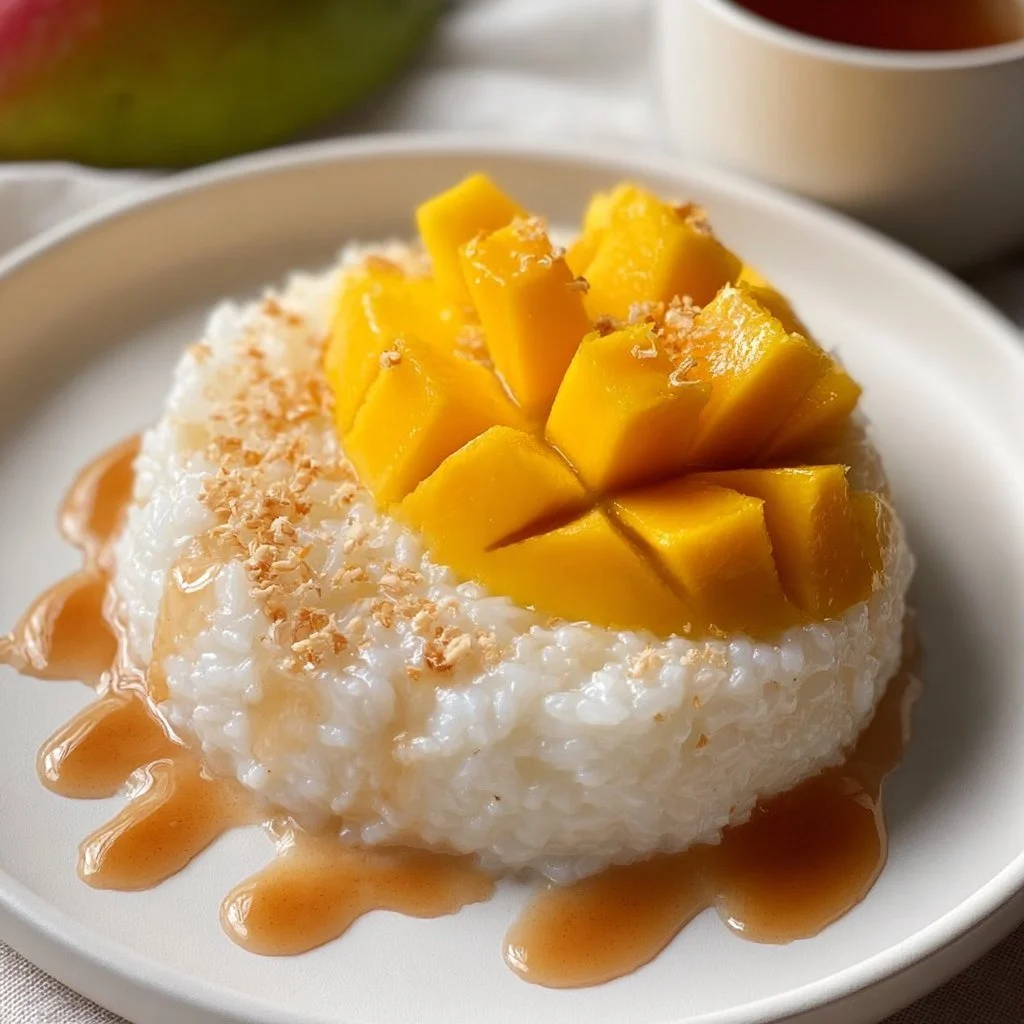
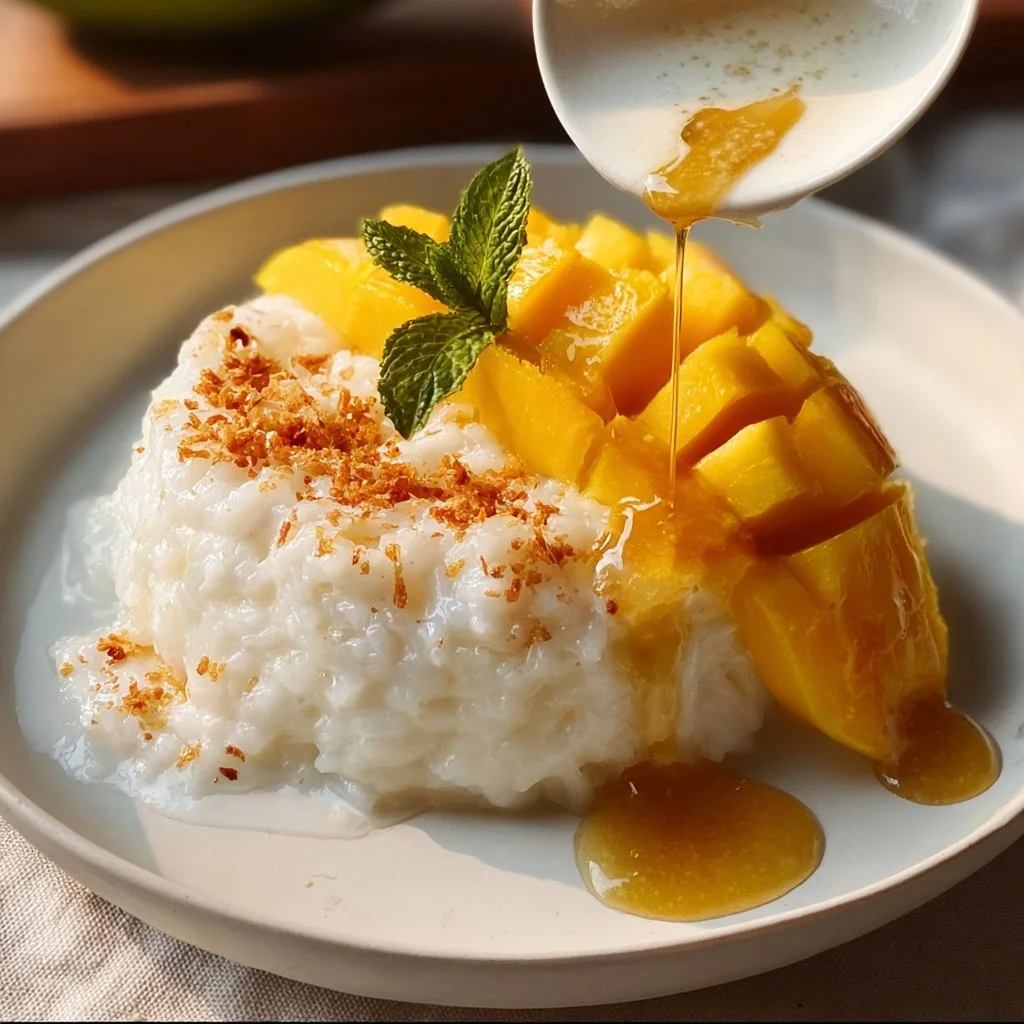
10. To serve, create a mound of sticky rice on a plate, arrange the sliced mango alongside, drizzle with the reserved coconut sauce, and sprinkle with sesame seeds or mung beans if desired.
Chef Tips for Perfect Results
– **Use high-quality glutinous rice:** The texture of the rice is crucial, so opt for good quality sticky rice for the best results.
– **Perfectly ripe mangoes:** Make sure your mangoes are ripe for maximum sweetness flavor; underripe mangoes can taste slightly tart.
– **Warm the coconut sauce:** If the coconut sauce hardens, warm it gently to make it drizzle-friendly before serving.
– **Adjust sweetness:** If you prefer a sweeter dessert, taste the coconut sauce before serving and adjust the sugar accordingly.
– **Experiment with garnishes:** Sesame seeds or mung beans not only add a pleasing crunch but also elevate the dish’s presentation.
Common Mistakes to Avoid
– **Not soaking the rice long enough:** This step is crucial for achieving the correct texture. Always soak for a minimum of 4 hours or preferably overnight.
– **Boiling the coconut sauce:** Boiling can alter the flavor, resulting in a less desirable taste. Always heat gently and stir to dissolve sugar without boiling.
– **Oversteaming the rice:** Keep an eye on the rice as overcooking can lead to a mushy texture. It should be tender but still maintain its shape when done.
– **Using unripe mangoes:** Unripe or hard mangoes can spoil the dish’s overall sweetness and flavor balance, so be sure to use ripe fruit.
– **Not letting the rice rest:** Allowing the sticky rice to rest after mixing with the sauce helps it absorb flavors and become perfectly sticky.
Variations and Substitutions
| Ingredient | Substitution | Flavor Impact |
|---|---|---|
| Glutinous rice | Sweet short-grain rice | Similar texture, slightly different flavor |
| Coconut milk | Almond milk or soy milk | Loses coconut flavor; consider adding coconut extract |
| Sugar | Honey or maple syrup | Changes flavor profile to more natural sweetness |
| Mangoes | Other tropical fruits (pineapple or banana) | Alter sweetness and texture, but fresh and fruity |
Feel free to customize this recipe according to your taste preferences and dietary needs. Each variation brings its unique spin to the classic dessert!
Serving Suggestions and Pairings
Mango Sticky Rice shines as a stand-alone dessert but also pairs wonderfully with a variety of dishes. Serve it alongside a rich Thai curry for a fantastic contrast of flavors, or accompany it with fresh or grilled fruits for a refreshing summer picnic spread. You can also enjoy it as a dessert after a hearty meal, making it perfect for dinner parties or family gatherings. Consider adding a scoop of coconut ice cream on the side for an extra indulgent experience.
Storage and Reheating
| Method | Duration | Instructions |
|---|---|---|
| Refrigerator | 3-4 days | Store in an airtight container to keep from drying out. |
| Freezer | 1 month | Wrap portions tightly in plastic wrap and then in aluminum foil. |
| Reheat | N/A | Steam to reheat for best texture, or microwave with a bit of water. |
For optimal flavor, it’s advisable to consume Mango Sticky Rice fresh; the texture and flavor are best within the first few days after preparation.
Nutritional Information
| Nutrient | Amount per Serving |
|---|---|
| Calories | 350 |
| Protein | 4g |
| Fat | 16g |
| Carbohydrates | 53g |
| Fiber | 2g |
| Sugar | 25g |
| Sodium | 150mg |
These values are approximate and can vary based on ingredient brands and specific product choices.
Frequently Asked Questions
Can I make Mango Sticky Rice ahead of time?
Yes, you can prepare the rice and coconut sauce in advance. Just store them separately in airtight containers and assemble just before serving.
What if I can’t find glutinous rice?
If glutinous rice is unavailable, you can substitute it with sweet short-grain rice, though the texture may differ slightly.
Can I use different fruits in this recipe?
Certainly! While mango is traditional, you can use other fruits like ripe bananas, strawberries, or even dragon fruit for a colorful twist.
Is Mango Sticky Rice suitable for vegans?
Yes, this dish is inherently vegan as long as you use plant-based sweeteners and coconut milk.
How do I know when my mangoes are ripe?
Ripe mangoes will yield slightly to gentle pressure and should have a sweet aroma. Look for a vibrant skin color and avoid any bruising.
Conclusion
Mango Sticky Rice is a delicious, creamy dessert that satisfies your sweet tooth while offering a taste of authentic Thai culture. With just a few ingredients and simple steps, you can create this delightful dish at home and impress friends or family. For more tips and variations, check out this Mango Sticky Rice Recipe – Hot Thai Kitchen and explore more authentic recipes at Thai Mango Sticky Rice Recipe: Authentic Thai Street Food Style!. Enjoy your culinary adventure!