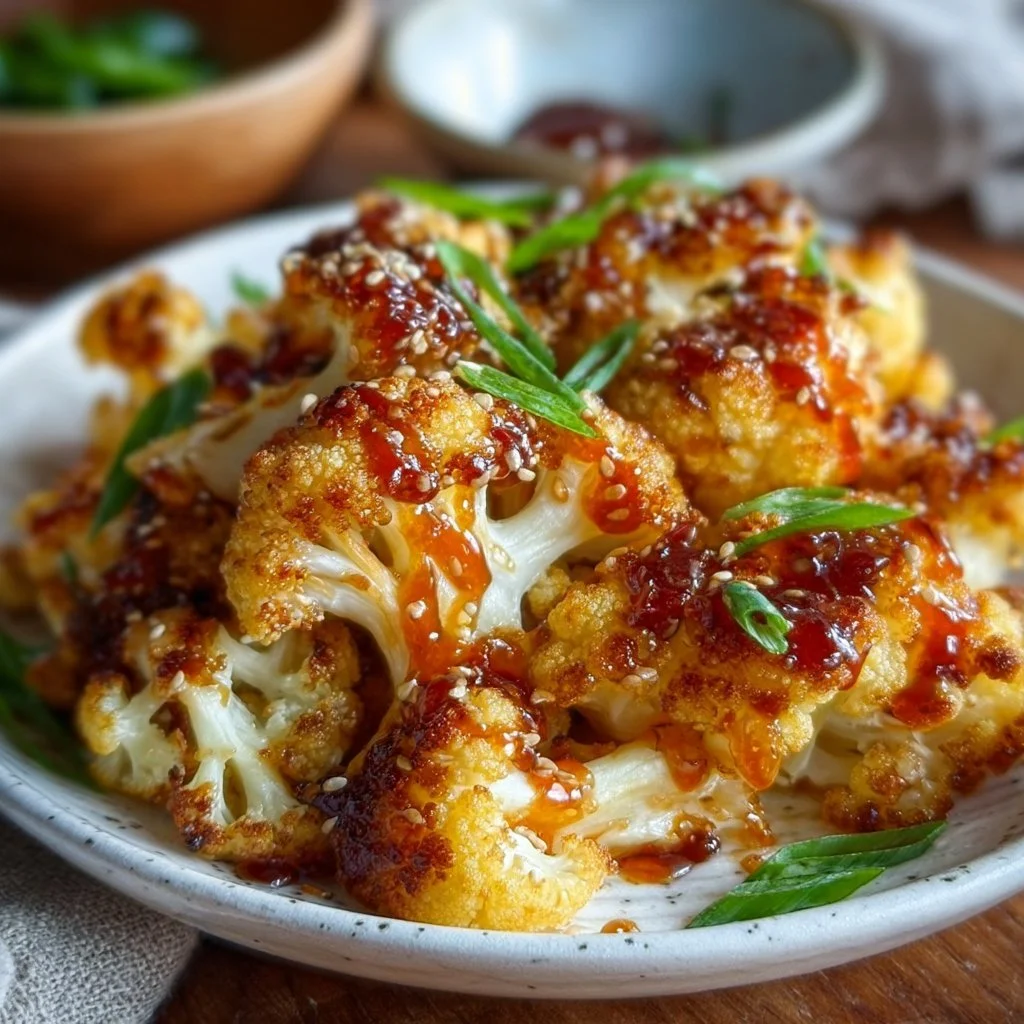

Korean Baked Cauliflower is a delicious twist on a classic vegetable dish that brings vibrant flavors to your table. This recipe combines the earthy taste of cauliflower with the bold, spicy notes of gochujang and other seasonings, resulting in a dish that is both healthy and satisfying. Perfect for busy weeknights or meal prep, it can be made in under an hour and pairs wonderfully with rice or quinoa. With just a few key ingredients, you’ll have a nutritious and flavorful dish that even non-vegetable lovers will adore.
Table of Contents
| Prep Time | Cook Time | Total Time | Servings | Difficulty | Cuisine |
|---|---|---|---|---|---|
| 10 minutes | 35-40 minutes | 45-50 minutes | 4 | Easy | Korean |
Why This Recipe Works
This Korean Baked Cauliflower is not only incredibly tasty but also boasts a wonderfully crispy texture that keeps each bite exciting. The roasting process brings out the natural sweetness of the cauliflower, while the gochujang-infused sauce adds depth and a delightful kick. Additionally, roasting the cauliflower at a high temperature gives it a lovely caramelization that enhances the overall flavor profile.
One of the best aspects of this dish is its simplicity. With minimal prep work and straightforward instructions, you can have an impressive side or main dish on the table in no time. The fact that it’s vegan and gluten-free makes it accessible for everyone, allowing you to serve it up during any gathering without worrying about dietary restrictions.
Ingredients
| Ingredient | Quantity | Notes |
|---|---|---|
| Cauliflower | 1 large head | Cut into florets, fresh for best flavor |
| Olive oil | 2 tablespoons | Substitute with avocado oil if preferred |
| Salt | 1/2 teaspoon | Adjust to taste |
| Black pepper | 1/2 teaspoon | Freshly ground is best |
| Gochujang | 2 tablespoons | Use a milder version if sensitive to spice |
| Soy sauce | 2 tablespoons | Or tamari for a gluten-free option |
| Sesame oil | 1 tablespoon | Enhances the umami flavor |
| Honey or maple syrup | 1 tablespoon | For sweetness; use maple for vegan options |
| Rice vinegar | 1 teaspoon | Can substitute with apple cider vinegar |
| Garlic | 2 cloves, minced | Fresh garlic gives the best flavor |
| Fresh ginger | 1 teaspoon, grated | Add for aromatic flavor |
| Toasted sesame seeds | To garnish | Adds crunch and enhances presentation |
| Green onions | 2, sliced | For garnish and added freshness |
For best results, ensure your cauliflower is fresh—look for a solid head with no dark spots. Roasting at a high temperature not only cooks the cauliflower evenly but also contributes to a delightful texture. Feel free to adjust the spice level of the gochujang according to your taste preferences.
Step-by-Step Instructions
Prep
- Preheat your oven to 425°F (220°C).
- Wash the cauliflower and cut it into bite-sized florets.
- In a large mixing bowl, combine the cauliflower florets, olive oil, salt, and black pepper.
Cook
- Spread the cauliflower in a single layer on a baking sheet lined with parchment paper.
- Roast in the preheated oven for about 25-30 minutes, or until golden brown and tender, tossing halfway through.
Assemble
- While the cauliflower is roasting, prepare the sauce by whisking together the gochujang, soy sauce, sesame oil, honey or maple syrup, rice vinegar, minced garlic, and grated ginger in a bowl.
- Once the cauliflower is roasted, remove it from the oven and drizzle the sauce over it, tossing gently to coat.
- Return to the oven and roast for another 5 minutes to caramelize.
- Garnish with toasted sesame seeds and sliced green onions before serving. Enjoy hot as a side dish or main dish with rice or quinoa.
Chef Tips for Perfect Results
- Cut your cauliflower into even-sized florets to ensure consistent cooking.
- Feel free to adjust the seasoning according to your preference; add more gochujang for extra spiciness!
- For even crispier cauliflower, broil for an additional 2-3 minutes at the end of cooking.
- Use parchment paper to prevent sticking and make cleanup easier.
- If you need to make this dish ahead of time, roast the cauliflower in advance and add the sauce right before serving.
Common Mistakes to Avoid
- Overcrowding the baking sheet can steam the cauliflower instead of roasting it. Make sure there is enough space between the florets.
- Not preheating the oven can lead to uneven cooking. Always preheat to get that crispy texture.
- Using stale or ineffective spices can dull the flavor. Always check the freshness of your pantry staples.
- Skipping the tossing halfway through can result in uneven caramelization. Turn the florets for optimal browning.
- Overcooking can lead to mushy cauliflower. Keep an eye on the time as ovens can vary greatly.
Variations and Substitutions
| Ingredient | Substitution | Flavor Impact |
|---|---|---|
| Gochujang | Sriracha | Less depth; more straightforward heat |
| Honey | Agave syrup | Similar sweetness; vegan-friendly |
| Soy sauce | Lesser saltiness; slightly sweeter |
Serving Suggestions and Pairings
Korean Baked Cauliflower makes a fantastic side dish next to grilled meats or is perfect as a meatless main course. Serve it alongside steamed rice or quinoa for a complete meal that is filling yet healthy. For a traditional Korean experience, pair it with kimchi and a bowl of miso soup. This dish is also wonderful for meal prep, fitting seamlessly into lunches for the week alongside your favorite grains.
Storage and Reheating
| Method | Duration | Instructions |
|---|---|---|
| Refrigerator | 3-4 days | Store in an airtight container. |
| Freezer | 1-2 months | Allow to cool completely before transferring to freezer-safe bags. |
| Reheating | N/A | Reheat in the oven at 350°F (175°C) for best results to maintain crispiness. |
Nutritional Information
| Nutrient | Amount per Serving |
|---|---|
| Calories | 150 |
| Protein | 4g |
| Fat | 9g |
| Carbohydrates | 14g |
| Fiber | 5g |
| Sugar | 3g |
| Sodium | 400mg |
Frequently Asked Questions
Can I use frozen cauliflower instead?
Yes, you can use frozen cauliflower. However, be sure to thaw it and pat it dry thoroughly before roasting to avoid excess moisture.
What if I can’t find gochujang?
If you cannot find gochujang, you can substitute it with sriracha or harissa, but the flavor will not be identical.
Is this dish gluten-free?
Yes, if you use tamari or a gluten-free soy sauce, this dish can easily be made gluten-free.
Can I prepare the sauce in advance?
Absolutely! The sauce can be made a day ahead and stored in the refrigerator in an airtight container.
What can I serve with Korean Baked Cauliflower?
This dish pairs well with rice, quinoa, grilled meats, or even as part of a larger vegetable platter.
Conclusion
Korean Baked Cauliflower is a delightful way to introduce bold flavors into your dinner routine. Its crispy texture and spicy-sweet sauce make it a great addition to any meal. Whether served as a side, a main dish, or even a meal prep staple, it’s a recipe worth trying. For more incredible variations, check out Korean Baked Cauliflower – Chez Jorge or for a sweet and spicy twist, visit Sweet and Spicy Korean Cauliflower – Blossom to Stem.
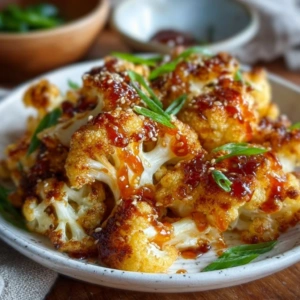
Korean Baked Cauliflower

Equipment
- Baking sheet
- Mixing bowl
- Whisk
- knife and cutting board
Ingredients
- 1 large head cauliflower, cut into florets
- 2 tbsp olive oil
- 1/2 tsp salt
- 1/2 tsp black pepper
- 2 tbsp gochujang
- 2 tbsp soy sauce or tamari
- 1 tbsp sesame oil
- 1 tbsp honey or maple syrup
- 1 tsp rice vinegar
- 2 cloves garlic, minced
- 1 tsp fresh ginger, grated
- toasted sesame seeds
- green onions, sliced
Instructions
- Preheat the oven to 425°F (220°C) and line a baking sheet with parchment paper.
- Toss cauliflower florets with olive oil, salt, and black pepper in a large bowl.
- Spread cauliflower in a single layer on the baking sheet and roast for 25–30 minutes, tossing halfway through.
- In a bowl, whisk together gochujang, soy sauce, sesame oil, honey or maple syrup, rice vinegar, garlic, and ginger.
- Remove cauliflower from the oven, drizzle with sauce, and toss gently to coat.
- Return to oven and roast for an additional 5 minutes until caramelized.
- Garnish with sesame seeds and green onions before serving.