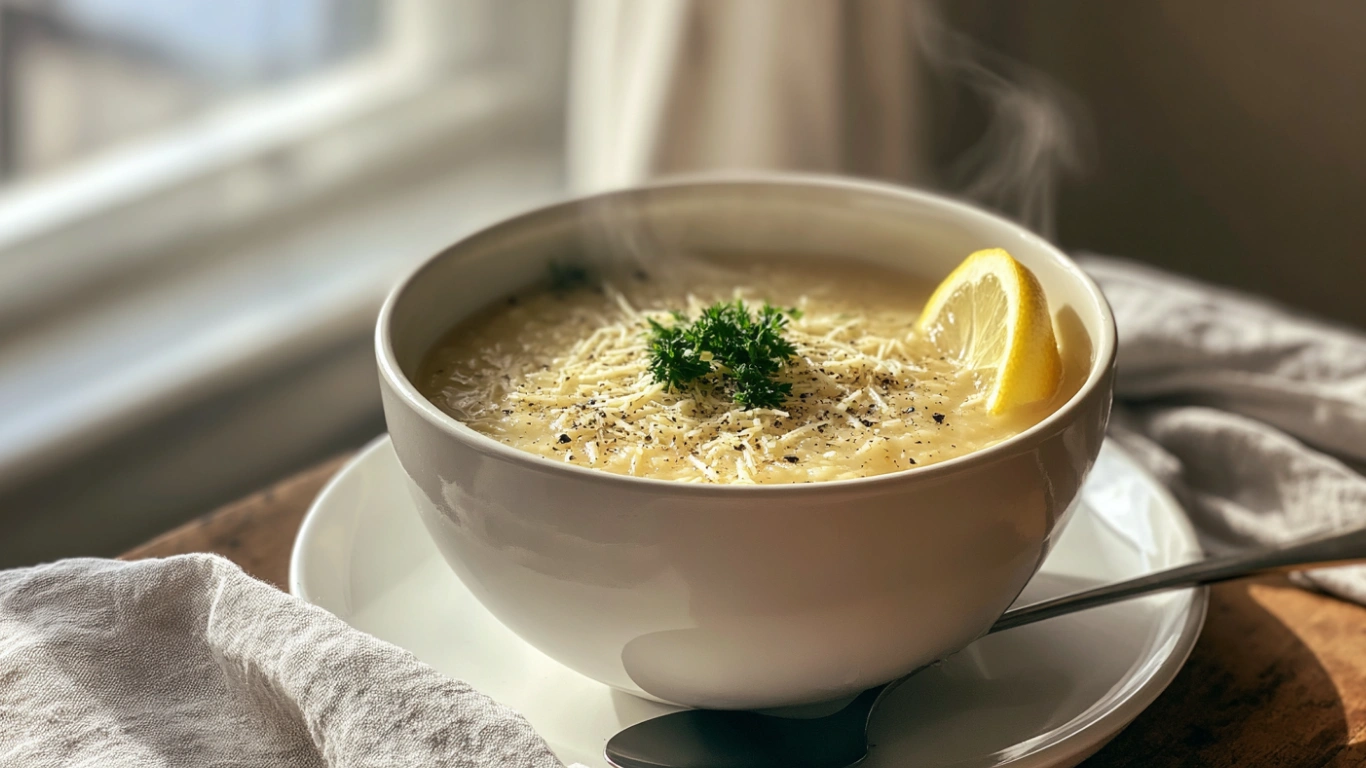

Whenever someone in my family feels under the weather, I make Italian Penicillin Soup. It’s the kind of recipe that doesn’t just feed you, it comforts you. The golden broth, soft pastina, and hint of garlic create a warmth that feels like a hug in a bowl.
This simple soup has been an Italian home remedy for generations, cherished for its soothing, healing qualities. Whether you’re fighting a cold, a long week, or just need something gentle, Italian Penicillin Soup brings calm back to the kitchen.
It’s made with care, not complexity, proof that the best medicine often simmers slowly on the stove. One spoonful, and you’ll understand why this humble dish has become a symbol of love, warmth, and recovery across countless Italian tables.
Table of Contents
A Tradition of Healing
The Story Behind Every Bowl
In my family, Italian Penicillin Soup has always been more than food, it’s a ritual of love. Whenever someone caught a cold, felt worn down, or simply needed comfort, this was the first thing to appear on the stove. The smell of garlic warming in olive oil was the signal that someone was being cared for. My mother didn’t rush the process; she moved slowly, almost tenderly, as if the act of stirring broth could mend a broken spirit.
The recipe was never written down. It lived in the rhythm of our kitchen, pouring broth, sprinkling pastina, and letting it all simmer until the house filled with warmth. My grandmother used to say, “This isn’t just soup, it’s medicine made with kindness.” And she wasn’t wrong. The combination of simple ingredients and mindful cooking felt like therapy for both body and heart.
There’s a reason this dish is called Italian Penicillin Soup. In Italy, it’s what every nonna makes when someone needs to heal. It’s the country’s answer to chicken soup, a natural remedy steeped in tradition and care. And while the ingredients are humble, the result is pure comfort: a bowl that soothes you long after it’s gone.
Pastina: The Heart of Comfort
At the center of this beloved dish is pastina, tiny star-shaped pasta that defines Italian childhood. Pastina is often a baby’s first meal, a gentle introduction to the world of flavor and warmth. Its softness makes it easy to eat, especially on days when your appetite feels small. But more than that, it carries a sense of nostalgia. Every spoonful brings memories of simpler times, of being wrapped in a blanket while someone whispered, “Just rest, I’ve got you.”
Even now, whenever I make pastina, I feel that same reassurance. The aroma of broth and garlic, the shimmer of olive oil, and those tiny golden stars, it’s a reminder that care doesn’t have to be grand to be powerful. Sometimes, the smallest bowl holds the biggest comfort.
Ingredients That Heal and Soothe
Simple Ingredients, Profound Comfort
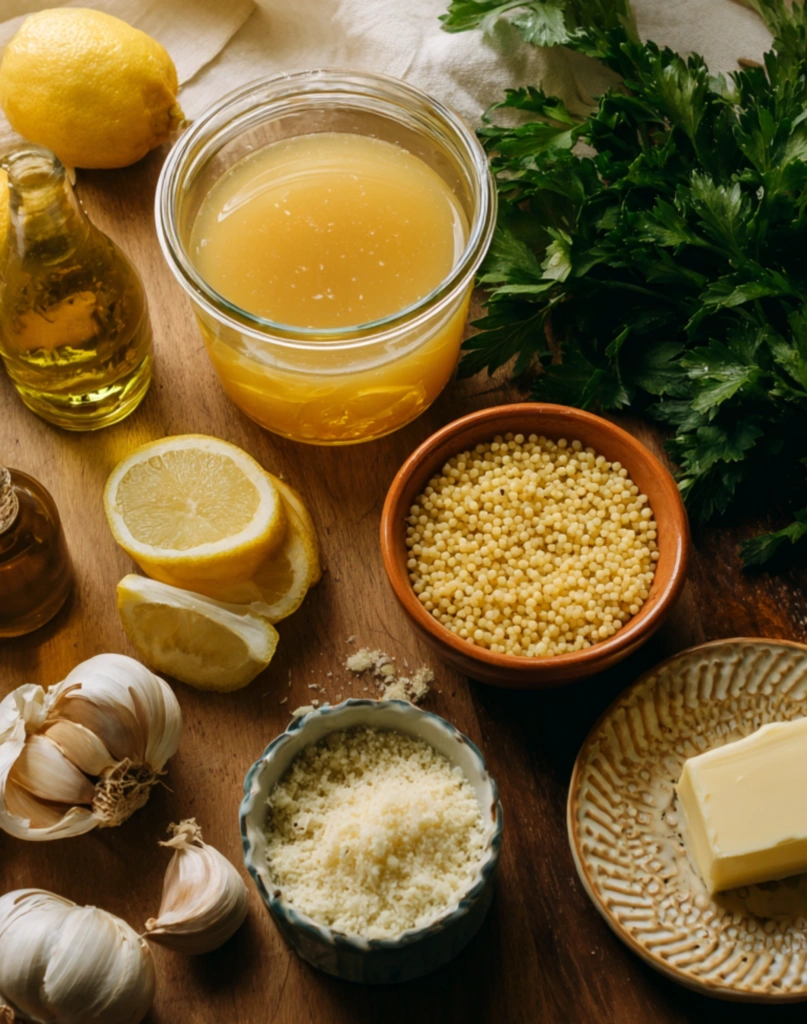
The beauty of Italian Penicillin Soup lies in its simplicity. Every ingredient has a purpose, working quietly to comfort both body and soul. It’s the kind of dish that doesn’t ask for perfection, only presence. A few humble ingredients come together to create something that feels like medicine without ever tasting medicinal.
At the heart of this recipe is the broth. Traditionally, it’s chicken broth, though vegetable broth makes a lighter, equally soothing alternative. Both bring warmth, hydration, and the minerals your body craves when you’re run-down. Garlic, sautéed gently in olive oil, provides more than just flavor, it’s nature’s healer. According to Healthline, garlic’s anti-inflammatory and antibacterial properties support the immune system and reduce symptoms of illness.
Then comes olive oil, rich in antioxidants and healthy fats, wrapping everything in its golden richness. Pastina, the soul of this Italian Penicillin soup, absorbs those flavors like a sponge, turning broth into a silky, satisfying meal. A whisked egg, stirred in at the last moment, forms delicate ribbons that add protein and texture without heaviness.
It’s all so simple, yet the combination feels almost sacred. You don’t just cook it; you tend to it, gently coaxing flavor and comfort from each step.
Little Touches That Make It Magic
While the base of Italian Penicillin Soup stays the same, small additions can make each bowl feel uniquely yours. A spoonful of grated Parmesan or Pecorino Romano deepens the flavor and adds savory warmth. A squeeze of fresh lemon juice lifts the entire dish, bringing brightness that cuts through any heaviness. And if you sprinkle chopped parsley on top, you’ll add not just color but a whisper of freshness to each bite.
For an extra creamy finish, stir in a tiny pat of butter just before serving, it melts into the broth, creating a luxurious texture that comforts without overwhelming.
No ingredient here is chosen by accident. Each one supports the others, working in harmony to restore you from the inside out. That’s what makes Italian Penicillin Soup timeless: it’s as nourishing for the body as it is for the heart.
Ingredients for Italian Penicillin Soup
- 4 cups chicken or vegetable broth
- 2 cloves garlic, minced
- 1 tbsp olive oil
- 1/3 cup pastina (stelline or similar)
- 1 egg, whisked
- 2 tbsp grated Parmesan or Pecorino Romano
- 1 tbsp lemon juice (optional)
- 1 tbsp chopped parsley (optional)
- 1 tsp unsalted butter (optional)
- Salt and pepper to taste
Why Italian Penicillin Soup Works When You’re Sick
The Science of Comfort
When you’re unwell, your body craves something light, warm, and soothing. Italian Penicillin Soup is exactly that a combination of hydration, nutrition, and calm in one bowl. The clear broth works like nature’s electrolyte drink, replenishing minerals such as sodium and potassium that illness often drains away. Each sip feels like relief, coating your throat and warming you from within.
Garlic and olive oil, two cornerstones of this Italian Penicillin Soup, aren’t just flavorful, they’re healing. Garlic’s natural antibacterial and antiviral compounds, combined with olive oil’s anti-inflammatory properties, give your immune system gentle but real support. Even the aroma plays its part; inhaling steam from a bowl of hot broth can help clear nasal passages and ease congestion.
According to the Mayo Clinic, warm broth-based soups may act as mild decongestants, helping you recover faster from colds and flu. Italians have known this instinctively for centuries, when the body slows down, the kitchen becomes the first place of care.
Then there’s the egg. When whisked into the hot broth, it creates soft ribbons that add protein without heaviness. This subtle addition helps maintain energy when your appetite is low and your digestion needs gentleness. Together, these ingredients form the perfect trifecta: nourishment, hydration, and comfort.
The Emotional Medicine in a Bowl
Of course, healing isn’t only about what’s in the pot, it’s about how it makes you feel. Cooking Italian Penicillin Soup is a quiet act of love, a way of saying, “You matter.” Each slow stir and careful taste test carries intention, the kind of mindful attention that modern life often forgets.
Eating it feels equally restorative. The warmth seeps into your chest, grounding you in the moment. The softness of pastina and the scent of garlic stir up memories of being cared for, of home, of peace.
This Italian Penicillin Soup is as much about emotional recovery as it is physical. It reminds you that rest is productive, that slowing down has purpose. Whether you make it for someone you love or for yourself after a long day, it offers the same quiet promise: healing happens here, one spoonful at a time.
Variations, Storage & Serving Tips
Creative Twists That Keep Tradition Alive
One of the joys of Italian Penicillin Soup is how it welcomes creativity. Every family across Italy has a version that’s slightly different, each one shaped by memory, season, and love. The core remains simple: broth, garlic, pastina, and egg. But from there, the possibilities expand like comfort in a pot.
If you crave a heartier meal, shredded chicken is the most common addition. Whether it’s tender rotisserie meat or leftovers from your Sunday roast, it adds satisfying protein and depth. If you want to boost the greens, stir in chopped spinach, kale, or escarole near the end of cooking. These tender leaves soften beautifully, adding nutrients and a burst of color without stealing the spotlight.
For a hint of warmth, a sprinkle of red pepper flakes or a drizzle of chili oil can transform the soup from gentle to invigorating. Some modern versions even include fresh ginger or turmeric, both known for anti-inflammatory benefits. These subtle twists bring new life to an old favorite without changing its soul.
If you prefer a plant-based version, simply swap the chicken broth for vegetable stock, skip the egg, and replace Parmesan with nutritional yeast or vegan cheese. The flavors remain rich and comforting, proving that compassion in cooking includes feeding every kind of diet.
How to Store and Serve With Care
Like all great comfort foods, Italian Penicillin Soup tastes even better the next day. Let it cool completely before transferring it to airtight containers. It keeps in the refrigerator for up to four days and freezes beautifully, just store the pastina separately so it stays tender, not mushy.
When you’re ready to reheat, warm it gently on the stove over low heat. Add a splash of broth or water to restore its silky consistency. Finish with a squeeze of lemon, a dusting of Parmesan, and a few parsley leaves.
To turn it into a full meal, serve it with crusty bread or simple garlic toast. The soft soup against crisp bread is one of life’s small pleasures, a reminder that healing often lives in the simplest details.
Every bowl is an act of kindness, proof that tradition and tenderness can coexist in the same pot.
Italian Penicillin Soup (Pastina Broth)

Equipment
- medium soup pot
- Whisk
- ladle
- cutting board and knife
- measuring cups/spoons
Ingredients
- 4 cups chicken or vegetable broth
- 2 cloves garlic, minced
- 1 tbsp olive oil
- 1/3 cup pastina (stelline or similar)
- 1 egg, whisked
- 2 tbsp grated Parmesan or Pecorino Romano
- 1 tbsp lemon juice (optional)
- 1 tbsp chopped parsley (optional)
- 1 tsp unsalted butter (optional)
- Salt and pepper to taste
Instructions
- Heat olive oil in a medium pot over medium heat and sauté garlic until fragrant.
- Pour in broth and bring to a gentle boil.
- Add pastina and cook until tender.
- Reduce heat to low and slowly drizzle in whisked egg while stirring.
- Add cheese, lemon juice, parsley, and butter if using.
- Season with salt and pepper to taste.
- Serve warm with crusty bread.
Notes
Nutrition
FAQs About Italian Penicillin Soup
Why does my stomach hurt after eating split pea soup?
Split pea soup is high in fiber and can sometimes cause bloating or stomach discomfort, especially if your body isn’t used to digesting legumes. Drinking water and eating smaller portions may help.
What’s the best soup to eat when you’re sick?
Broth-based soups like Italian Penicillin Soup are ideal when you’re sick. They hydrate your body, soothe sore throats, and deliver easy-to-digest nutrients that support recovery.
Why is obesity so low in Italy?
Italians tend to eat smaller portions, enjoy fresh seasonal foods, and focus on balance rather than restriction. Their diet includes healthy fats, vegetables, and homemade meals shared with family.
Why does pasta in Italy not bloat you?
Italian pasta is often made with fewer additives and eaten in moderation, paired with olive oil, vegetables, or lean protein rather than heavy sauces.
What is the most famous soup in Italy?
Minestrone and Italian Penicillin Soup are two of Italy’s most cherished soups, celebrated for their comforting flavors and nourishing simplicity.
Conclusion
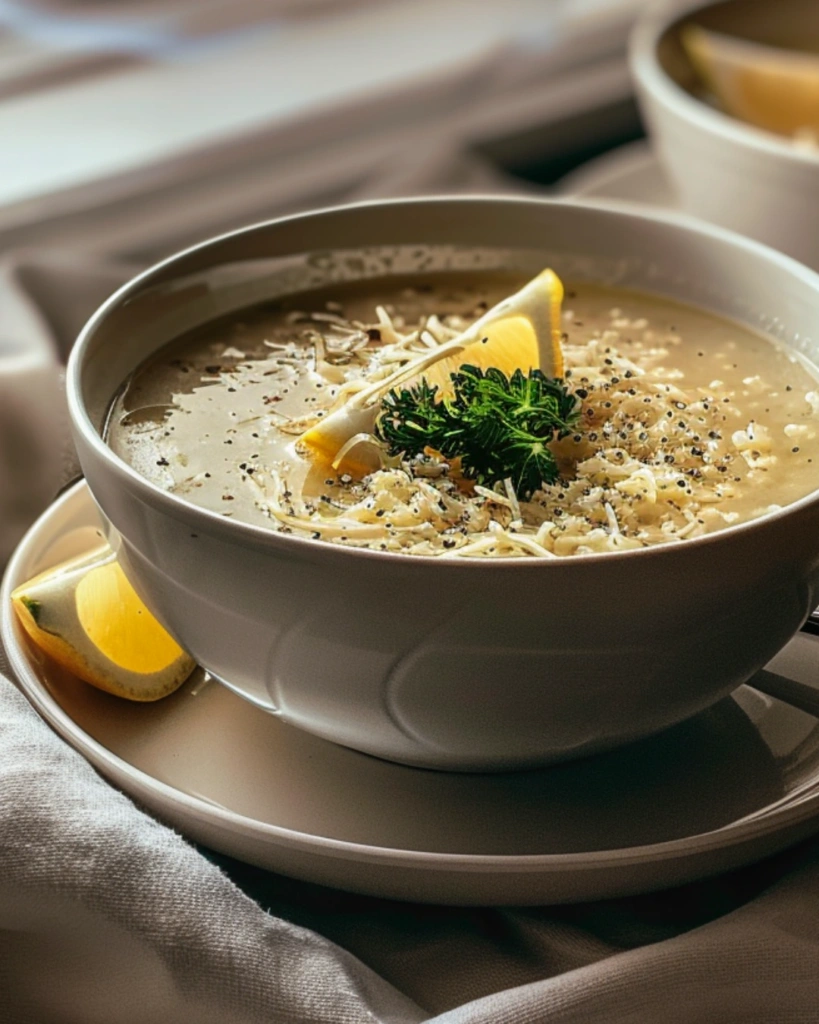
In the world of cozy, healing meals, Italian Penicillin Soup holds a special place. It’s proof that nourishment doesn’t have to be complicated, it just has to be made with care. From its shimmering golden broth to the soft comfort of pastina, every element whispers comfort.
Whether you’re recovering from a cold, seeking warmth on a rainy day, or simply craving a moment of peace, this soup delivers. It’s part tradition, part therapy, and completely soul-soothing.
So next time you feel a little off balance, skip the rush and return to your kitchen. Stir slowly, breathe deeply, and let this humble pot of Italian comfort remind you: healing begins with the simplest act, feeding yourself with love. Source