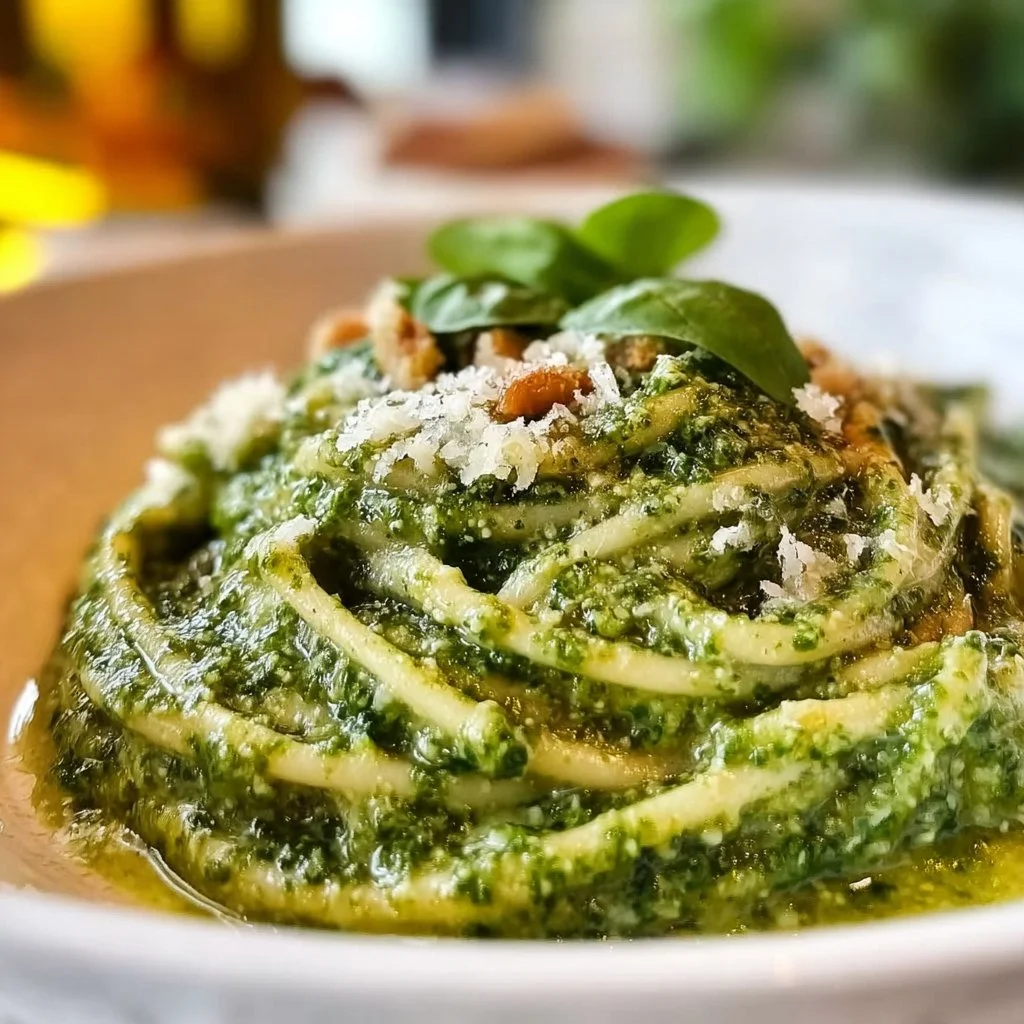

There is something incredibly satisfying about making fresh pesto from scratch. The aroma of fragrant basil, rich Parmesan cheese, toasted pine nuts, and extra virgin olive oil instantly fills the kitchen with the comforting scent of homemade Italian cooking. This Joanna Gaines Pesto Recipe captures everything people love about classic basil pesto while keeping the preparation wonderfully simple. In just ten minutes, you’ll have a vibrant green sauce that tastes fresher, brighter, and far more flavorful than anything from a grocery store jar.
One of the reasons this pesto has become such a favorite is its incredible versatility. Toss it with warm pasta, spread it over grilled sandwiches, drizzle it onto roasted vegetables, or spoon it over grilled chicken or salmon. It even works beautifully as a pizza sauce or a dip for fresh bread. If you enjoy easy homemade sauces, you’ll also love Creamy Cottage Cheese Queso or pair this pesto with Easy Baked Feta Pasta for an unforgettable dinner.
Table of Contents
Why This Joanna Gaines Pesto Works
This homemade pesto recipe proves that a handful of fresh ingredients can create extraordinary flavor.
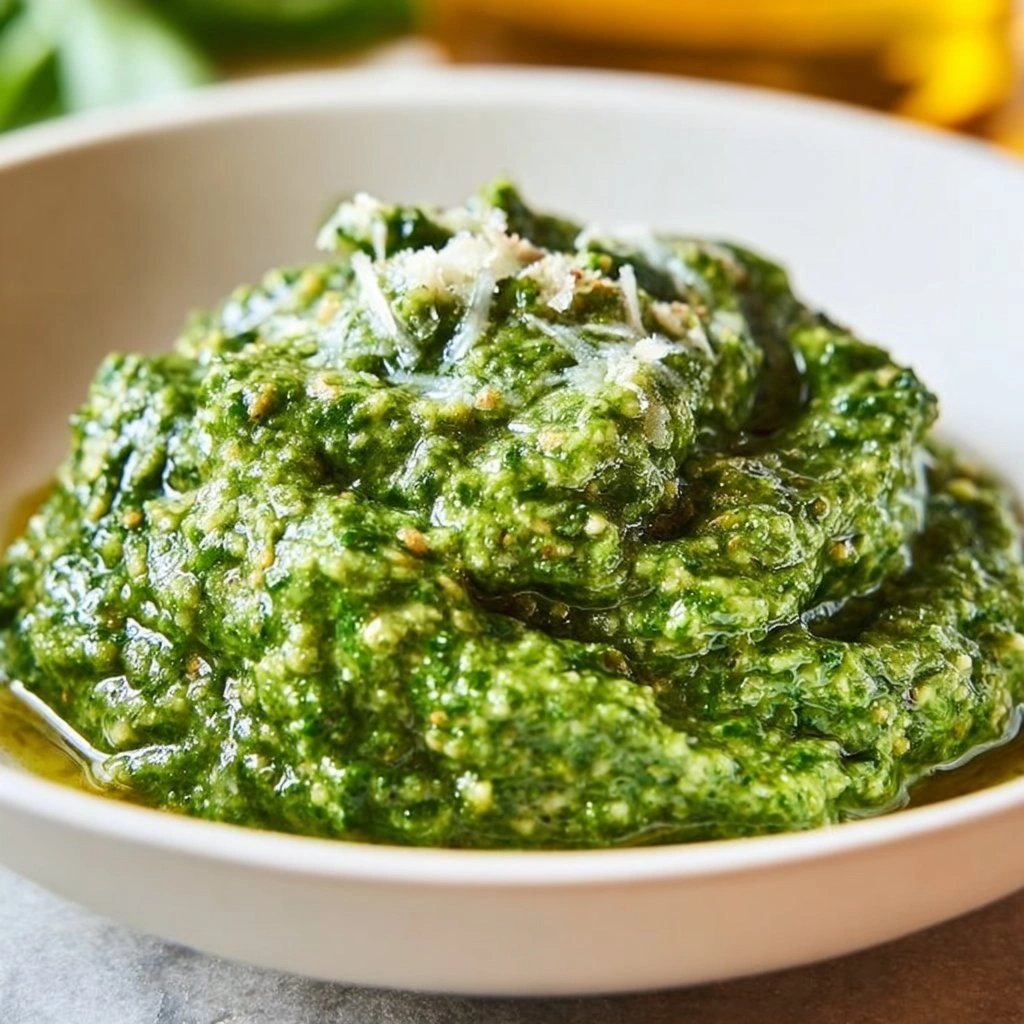
Unlike many store-bought pestos that rely heavily on preservatives or excessive oil, this version focuses on the natural sweetness of fresh basil balanced by the nutty richness of Parmesan cheese and pine nuts. Every spoonful tastes fresh, vibrant, and intensely aromatic.
The texture is another highlight. Slowly streaming the olive oil into the food processor creates a silky, creamy consistency that’s perfect for coating pasta or spreading over toasted bread. Toasting the pine nuts beforehand develops a deeper, buttery flavor that makes the pesto taste even more luxurious.
Perhaps the biggest advantage is how incredibly fast it comes together. With no cooking required, the entire recipe is finished in about ten minutes. It’s one of those recipes that feels gourmet while requiring very little effort, making it ideal for busy weeknights, meal prep, or entertaining guests.
Ingredients You’ll Need
| Ingredient | Quantity | Notes |
|---|---|---|
| Fresh basil leaves | 2 packed cups | Washed and thoroughly dried |
| Parmesan cheese | ½ cup | Freshly grated |
| Pine nuts | ⅓ cup | Lightly toasted |
| Garlic cloves | 3 | Peeled |
| Extra virgin olive oil | ½ cup | High-quality olive oil recommended |
| Salt | ½ teaspoon | Adjust to taste |
| Black pepper | ¼ teaspoon | Freshly ground |
| Lemon juice (optional) | 1 tablespoon | Brightens the flavor |
Ingredient Tips
Fresh basil is the star of this recipe, so choose vibrant green leaves without brown spots.
Freshly grated Parmesan melts into the sauce much better than packaged shredded cheese.
If pine nuts are unavailable or expensive, walnuts, almonds, pistachios, or pecans make excellent substitutes while adding their own unique flavor.
Using a fruity, high-quality extra virgin olive oil makes a noticeable difference in the final taste.
How to Make Joanna Gaines Pesto
Step 1 – Prepare the Ingredients
Wash the basil thoroughly and dry it completely using a salad spinner or paper towels.
Toast the pine nuts in a dry skillet over medium heat for about 2 to 3 minutes until lightly golden and fragrant. Let them cool before blending.
Peel the garlic cloves and grate the Parmesan cheese if using a block.
Step 2 – Blend the Basil Mixture
Add the following to a food processor:
- Fresh basil
- Pine nuts
- Garlic
- Parmesan cheese
Pulse several times until everything is finely chopped but not completely smooth.
Avoid over-processing at this stage because excessive heat can darken the basil and dull its fresh flavor.
Step 3 – Slowly Add the Olive Oil
With the food processor running on low speed, slowly drizzle in the olive oil.
Continue blending until the pesto becomes creamy while still maintaining a little texture.
If the pesto seems too thick, add another tablespoon of olive oil until you reach your preferred consistency.
Step 4 – Taste and Adjust
Taste the pesto before serving.
Season with:
- Salt
- Black pepper
- Optional lemon juice
The lemon juice isn’t traditional but helps brighten the basil while keeping the vibrant green color longer.
Step 5 – Serve
Serve immediately over freshly cooked pasta, grilled vegetables, roasted potatoes, sandwiches, pizza, or grilled meats.
If storing, transfer to a glass container and pour a thin layer of olive oil over the surface before sealing to help prevent oxidation.
Chef Tips for the Best Homemade Pesto
Making excellent pesto is easy, but these simple techniques will make it even better.
- Always use completely dry basil leaves.
- Toast the pine nuts for deeper flavor.
- Blend using short pulses rather than continuous processing.
- Add olive oil slowly for the creamiest texture.
- Freshly grate Parmesan instead of using pre-shredded cheese.
- Store pesto with a layer of olive oil on top to preserve its bright green color.
- Reserve some pasta cooking water when tossing pesto with pasta to create a silky sauce.
- Add fresh basil at the very end if you prefer an extra-bright herbal flavor.
Common Mistakes to Avoid of Joanna Gaines Pesto
Using Wet Basil
Excess moisture dilutes the pesto and shortens its shelf life.
Overheating the Food Processor
Running the processor too long generates heat that darkens basil and weakens its fresh flavor.
Using Bottled Parmesan
Fresh Parmesan melts smoothly and provides much richer flavor.
Skipping Toasted Nuts
Toasting dramatically enhances the nuttiness and complexity.
Adding Too Much Salt Immediately
Parmesan is naturally salty, so always season after tasting.
Variations and Substitutions
| Ingredient | Substitute | Flavor Impact |
|---|---|---|
| Pine nuts | Walnuts | Richer, earthier flavor |
| Pine nuts | Pistachios | Slightly sweet and buttery |
| Parmesan | Pecorino Romano | Sharper and saltier |
| Basil | Spinach + Basil | Milder flavor |
| Olive oil | Avocado oil | Neutral, lighter taste |
| Garlic | Roasted garlic | Sweeter, mellow flavor |
What to Serve with Joanna Gaines Pesto
This pesto complements countless dishes.
Try it with:
- Fresh pasta
- Grilled chicken
- Baked salmon
- Roasted vegetables
- Garlic bread
- Caprese sandwiches
- Pizza
- Bruschetta
- Grain bowls
- Omelets
For a complete Mediterranean-inspired meal, serve it alongside <a href=”https://www.caringrecipes.com/greek-salad/”>Greek Salad</a> or drizzle it over <a href=”https://www.caringrecipes.com/marinated-tomatoes-with-umami-twist/”>Marinated Tomatoes with Umami Twist</a>.
How to Store Joanna Gaines Pesto
| Method | Duration | Instructions |
|---|---|---|
| Refrigerator | Up to 5 days | Store in an airtight container with olive oil covering the surface. |
| Freezer | Up to 6 months | Freeze in ice cube trays for convenient portions. |
Nutritional Information
| Nutrient | Amount per Serving |
|---|---|
| Calories | 250 |
| Protein | 6g |
| Fat | 25g |
| Carbohydrates | 5g |
| Fiber | 1g |
| Sugar | 0g |
| Sodium | 100mg |
Frequently Asked Questions About Joanna Gaines Pesto
Can I freeze homemade pesto?
Yes. Freeze it in ice cube trays, then transfer the cubes to freezer bags. This makes it easy to thaw only what you need.
Why does pesto turn brown?
Exposure to air oxidizes the basil. Covering the pesto with a thin layer of olive oil helps preserve its vibrant green color.
Can I make pesto without pine nuts?
Absolutely. Walnuts, almonds, pistachios, pecans, or even sunflower seeds work beautifully.
Is homemade pesto healthier than store-bought?
Generally, yes. Homemade pesto contains fresh ingredients and allows you to control the amount of oil, salt, and cheese without preservatives.
Can I make pesto dairy-free?
Yes. Replace the Parmesan with nutritional yeast or your favorite dairy-free Parmesan alternative.
Final Thoughts
This Joanna Gaines Pesto Recipe is proof that fresh ingredients and simple techniques can create restaurant-quality flavor in just minutes. Whether you’re tossing it with pasta, spreading it on sandwiches, or using it as a flavorful marinade, homemade pesto brings brightness and freshness to almost any meal.
One batch goes a long way, making it perfect for weekly meal prep or quick dinners throughout the week. For even more inspiration, learn about proper basil handling from the University of Minnesota Extension and explore pesto-making techniques from Serious Eats. Once you experience the taste of fresh homemade pesto, it’s hard to go back to store-bought versions.
Joanna Gaines Pesto Recipe

Equipment
- Food processor
- Skillet for toasting pine nuts
Ingredients
- 2 cups fresh basil leaves, packed
- 1/2 cup Parmesan cheese, grated
- 1/3 cup pine nuts, toasted
- 3 cloves garlic
- 1/2 cup extra virgin olive oil
- 1/2 tsp salt
- 1/4 tsp black pepper
- 1 tbsp lemon juice (optional)
Instructions
- Wash and thoroughly dry the basil leaves. Toast pine nuts in a skillet for 2–3 minutes until fragrant, then cool.
- Add basil, pine nuts, garlic, and Parmesan cheese to a food processor. Pulse until finely chopped.
- With the processor running, slowly drizzle in the olive oil until the mixture becomes smooth and creamy.
- Taste and season with salt, pepper, and optional lemon juice.
- Serve immediately or store in an airtight container with a thin layer of olive oil on top.