Healthy comfort food doesn’t have to be complicated. This Turkey Meatball Bake with Hidden Veggies brings the best of both worlds, flavor-packed meatballs baked in a rich tomato sauce, loaded with sneaky vegetables you can’t even see. Whether you’re cooking for your weekly meal prep or looking for a wholesome family dinner,
his Turkey Meatball Bake with Hidden Veggies delivers everything: lean protein, color, and that just from the oven warmth that makes you slow down for a moment.
We’ll walk through the story behind this Turkey Meatball Bake with Hidden Veggies, the secrets to hiding veggies like a pro, and the exact baking method that guarantees juicy, flavorful results every time.Turkey is naturally a lean source of high-quality protein, rich in B vitamins and minerals that support overall health, according to the American Heart Association.
Table of Contents
The Story Behind My Turkey Meatball Bake with Hidden Veggies
A Simple Idea Turned Weekly Meal Prep Hero
The first time I made this Turkey Meatball Bake with Hidden Veggies, it was born out of necessity, one of those “what can I make with what I have” nights. A pack of ground turkey, a few tired carrots, and half a zucchini later, I had something unexpectedly good. The meatballs came out tender, slightly sweet from the vegetables, and perfectly cozy for a quick reheat later in the week. It wasn’t fancy, but it checked all the boxes: balanced, flavorful, and efficient. That’s when I knew it would become one of my staple healthy bakes.
Like my Cheesy Zucchini Bake and Lighter Creamy Chicken Potato Bake, this Turkey Meatball Bake with Hidden Veggies leans on ingredients you already have but transforms them into something that feels intentional, something you’d serve to guests without apology. The best part? The hidden veggies melt right into the turkey mixture, adding moisture and flavor while keeping things light. It’s the kind of recipe that rewards both the health-conscious and the flavor-obsessed.
Why This Turkey Meatball Bake with Hidden Veggies Works
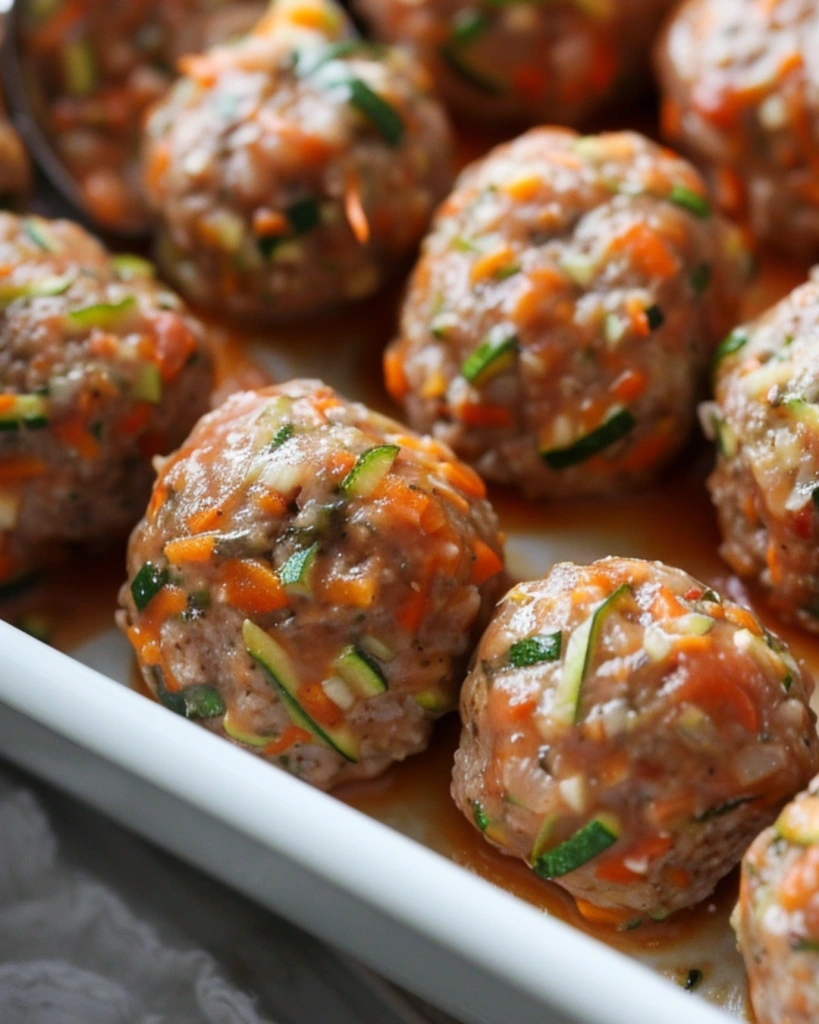
What makes this Turkey Meatball Bake with Hidden Veggies stand out isn’t just the clever way it sneaks in vegetables, it’s the texture and balance of flavor. Ground turkey can be a little dry on its own, but when you grate in carrots and zucchini, they release just enough moisture to keep every bite juicy.
The veggies act like built-in seasoning, lending subtle sweetness and body to the meatballs. Add a simple tomato sauce and a sprinkle of parmesan, and you’ve got a bake that feels like comfort food but fits seamlessly into a meal-prep routine.
If you’ve tried dishes like my Roasted Chicken Veggie Sheet Panor Garlic Butter Salmon and Mushroom, you already know the approach real ingredients, minimal fuss, and maximum payoff. That’s what this Turkey Meatball Bake with Hidden Veggies delivers every time. It’s one of those rare dishes that reheats beautifully and even tastes better the next day as the flavors settle together.
So if your goal is to eat clean without feeling restricted, this Turkey Meatball Bake with Hidden Veggies will quickly become your weekday lifesaver one pan, easy cleanup, and plenty of nourishing satisfaction.Turkey is considered a nutrient-dense, high-protein meat that can support muscle maintenance and satiety, as explained by Healthline.
Ingredients & Preparation for Turkey Meatball Bake with Hidden Veggies
What You’ll Need to Make It Work
The best part of this Turkey Meatball Bake with Hidden Veggies is how flexible it is. You can use what’s in your fridge without losing that perfect texture or flavor. Here’s everything you’ll need for the base recipe, plus a few smart swaps if you’re adjusting for dietary goals.
Main Ingredients:
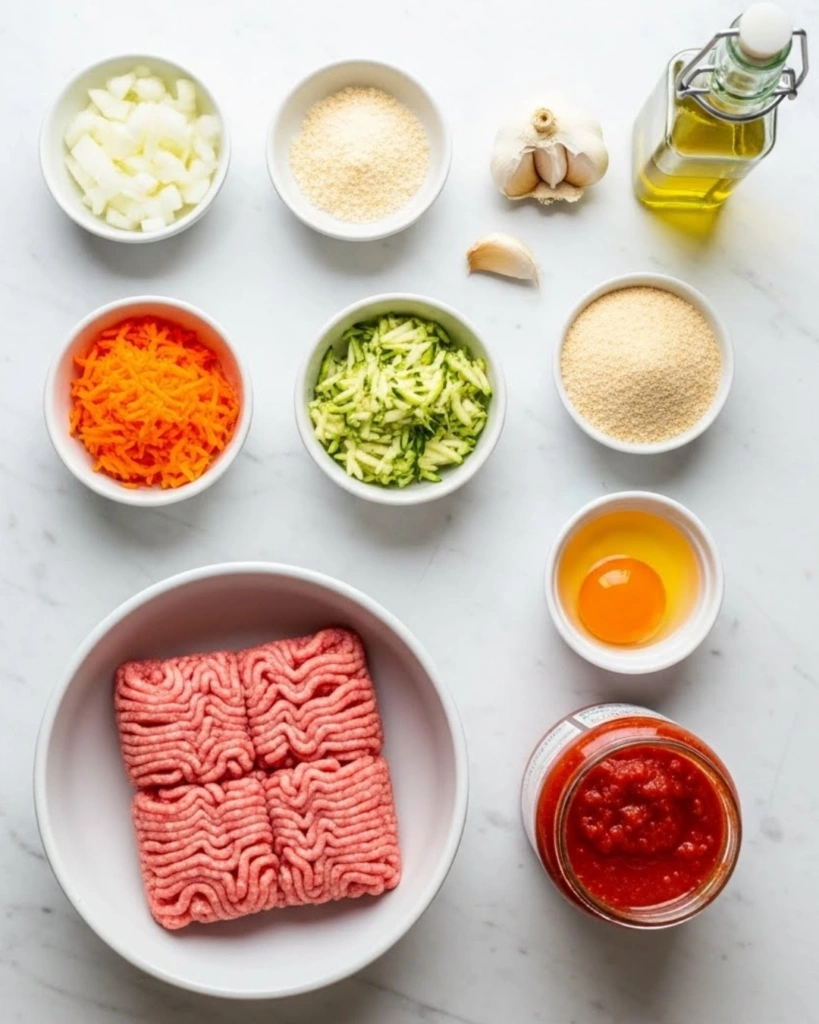
- 1 lb lean ground turkey
- 1 medium zucchini, grated
- 1 large carrot, grated
- ½ small onion, finely diced
- 2 cloves garlic, minced
- ½ cup breadcrumbs (use gluten-free if needed)
- 1 egg, lightly beaten
- ¼ cup grated parmesan (optional or use dairy-free alternative)
- ½ tsp dried basil
- ½ tsp oregano
- Salt and black pepper to taste
- 1 cup marinara sauce
- Olive oil spray
Optional Add-ins for Extra Nutrition:
- Finely chopped spinach or kale for an iron boost
- Shredded sweet potato for mild sweetness
- Chopped mushrooms for a meatier bite
Just like in the Roasted Chicken Veggie Sheet Pan, each vegetable here brings something practical to the table. Zucchini keeps things moist, carrots balance the flavor, and onions deepen the savory base, all while helping your meatballs stay tender and juicy.
If you prefer a little more comfort style richness, try adding a spoonful of ricotta or a drizzle of olive oil like I do in my Creamy Tomato Basil Tortellini. It’s a small tweak that adds a velvety texture to the sauce without extra heaviness.
How to Prep and Bake
Start by combining the grated vegetables, ground turkey, breadcrumbs, egg, and seasonings in a large bowl. Mix gently, overmixing makes the meatballs tough. Shape them into 1½-inch balls and place them in a lightly oiled baking dish. Pour marinara sauce over the top, ensuring each meatball gets coated. Bake until golden and bubbly.
Here’s a quick baking guide to make sure everything comes out just right:
Oven Temperature Cooking Time Texture Result 350°F (175°C) 25–30 minutes Tender and juicy 400°F (200°C) 18–22 minutes Crispier edges
For meal prep, bake a double batch and portion it into airtight containers. These keep perfectly for up to four days in the fridge or three months in the freezer.
Baking Tips & Hidden Veggie Secrets
The Science Behind Perfect Texture
The real success of this Turkey Meatball Bake with Hidden Veggies comes down to moisture balance. Turkey is naturally lean, which makes it easy to overcook. The solution? Grated vegetables, especially zucchini and carrots, that release water slowly as they bake. This gentle moisture keeps the meatballs tender without turning the sauce watery. It’s a simple technique that transforms an everyday dish into something worth repeating weekly.
If you’ve ever enjoyed the balanced comfort of my Marry Me Meatballs or the creamy finish in the Garlic Butter Salmon and Mushroom, you already know how texture plays into satisfaction. The hidden vegetables in this bake do double duty, adding nutrients while enhancing mouthfeel. Instead of acting as filler, they become part of the dish’s character.
The secret is in the ratio. For every pound of turkey, use about one cup of finely grated vegetables. Anything more, and the meatballs may not hold their shape. Anything less, and you miss out on the natural juiciness that makes this dish shine.
Veggie Blends That Disappear and Why They Work
Adults appreciate flavor depth, not just stealth nutrition. So instead of thinking of the vegetables as something to hide, think of them as texture boosters.
Zucchini: Adds moisture and lightness. It melts into the turkey mixture almost invisibly.
Carrots: Bring natural sweetness that balances acidity from the tomato sauce.
Spinach: Adds subtle umami and iron without overpowering other flavors.
Mushrooms: For an earthier profile and more protein density.
This Turkey Meatball Bake with Hidden Veggies is versatile enough to adapt, you can even blend the vegetables in a food processor for a smoother texture. That’s a trick I often use in meal-prep versions of comfort classics like the Lighter Creamy Chicken Potato Bake because it gives every bite consistent flavor.
Nutritionally, this balance of lean protein and fiber keeps you fuller longer, supports muscle recovery, and makes this bake a go to for anyone following a clean eating plan without losing that baked, golden finish everyone loves.
Serving Ideas & Storage Tips for Turkey Meatball Bake with Hidden Veggies
How to Serve It for Maximum Flavor
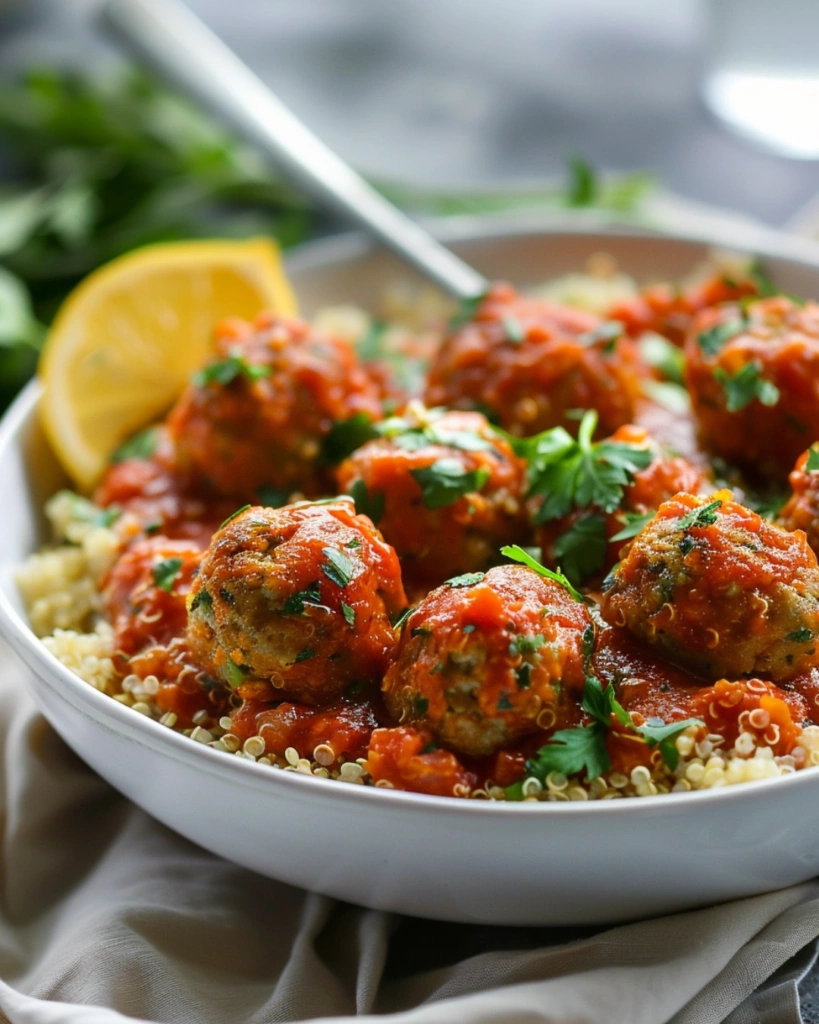
Once your Turkey Meatball Bake with Hidden Veggies comes out of the oven, you’ll notice that perfect golden edge forming around the dish, it’s your cue that the sauce has thickened and the meatballs are set just right. This bake serves beautifully in individual bowls or prepped in glass meal containers for quick weekday lunches. Pair it with roasted vegetables, quinoa, or a crisp salad for a balanced, high-protein meal that feels hearty but never heavy.
If you’re in the mood for a complete dinner spread, it pairs especially well with a simple side like Cowboy Butter Roasted Potatoes or a light pasta dish such as Creamy Tomato Basil Tortellini. The savory base and gentle sweetness from the hidden vegetables make it adaptable to nearly any flavor companion, from fresh herbs to tangy yogurt sauces.
For a fresher serving option, top it with chopped parsley or a dollop of Greek yogurt for a cool, creamy contrast. If you like an extra touch of texture, sprinkle some toasted breadcrumbs before serving, it adds a satisfying crunch that doesn’t compete with the meatballs’ tenderness.
Storing and Reheating Like a Pro
Meal prep lovers will appreciate how forgiving this bake is. After cooling, portion the dish into airtight containers. It keeps fresh in the fridge for up to four days and in the freezer for up to three months without losing moisture. The key to reheating is avoiding the microwave for too long. Instead, warm your portion in the oven at 325°F for 10–12 minutes, or use a covered skillet on medium heat to maintain that baked texture.
If you enjoy make-ahead meals like my Air Fryer Herb Chicken Thighs with Carrots or the Roasted Chicken Veggie Sheet Pan, you’ll appreciate how this bake simplifies weekday eating. Every component reheats evenly, and the sauce keeps the meatballs tender for days.
To freeze, wrap the entire baking dish tightly with foil and plastic wrap, then label it with the date. When you’re ready, thaw overnight in the fridge before reheating. The result will taste just as flavorful as when it first came out of the oven a reliable, healthy base for the week.

FAQs About Turkey Meatball Bake with Hidden Veggies
1. How long should my meatballs be in the oven?
Most standard meatballs need about 20–25 minutes in a 400°F (200°C) oven. The exact time depends on size, smaller meatballs (about 1 inch) take closer to 18 minutes, while larger ones (1½–2 inches) may take 25 minutes. Always check for doneness by using a thermometer, the internal temperature should reach 165°F (74°C) for safe, juicy results.
2. Is it better to cook a turkey at 325 or 350?
If you’re cooking a full turkey, 325°F gives you the most tender, evenly cooked meat because it allows the bird to roast slowly and stay moist. For turkey meatballs or smaller cuts, 350°F is ideal since it helps brown the outside while keeping the center juicy. Think of 325°F for whole roasts, 350°F for quicker, golden-brown dishes.
3. How long do meatballs take to cook at 400 degrees?
At 400°F (200°C), meatballs cook fast and get a crisp exterior. For 1½-inch meatballs, plan for 18–22 minutes. If you prefer them softer, bake for 20 minutes and let them rest in the pan for 5 minutes before serving, the residual heat finishes cooking them without drying them out.
4. What is the secret to juicy baked meatballs?
The secret is moisture balance and mixing technique. Add moisture-rich ingredients like grated zucchini, carrots, or onions, and bind them with breadcrumbs and egg. Mix the meat gently, overworking it can make meatballs dense. Finally, bake them at a moderate heat (375°F) and let them rest a few minutes before serving so the juices redistribute.
Conclusion
This Turkey Meatball Bake with Hidden Veggies is the kind of recipe I come back to on the nights that really matter when everyone is tired, hungry, and in need of something warm that doesn’t feel heavy. With just one pan and a few grated vegetables, you get a dinner that quietly does a lot: it feeds your body with lean protein and fiber, it fills your kitchen with that just-baked tomato and herb smell, and it gives you leftovers that actually taste better the next day.
My hope is that this bake becomes one of your gentle “anchors” in the week, a meal you can trust when you don’t have the energy to overthink dinner. Swap in the veggies your family loves, serve it with whatever grain or greens you have on hand, and let it remind you that caring for yourself can start with a simple, nourishing pan of meatballs.